
What is pediatric occupational therapy?
Helping children build skills for life’s everyday adventures.
Childhood is full of opportunities to explore, discover, and grow — through play, friendships, learning, and the small routines of each day. Sometimes, children need a little extra support along the way. That’s where pediatric occupational therapy comes in.
Occupational therapy helps children develop the skills and strategies to take part in the activities that matter most to them. We build on each child’s unique strengths while supporting the areas that feel challenging.
How can occupational therapy help my child?
For children, everyday “occupations” include playing, learning, making friends, and caring for themselves. OT can support children who are building skills in:
Fine Motor Skills
Using hands and fingers to draw, write, play with toys, and manage buttons and zippers.
Visual Motor & Visual Perceptual Skills
Coordinating eyes and hands for handwriting, puzzles, and games.
Sensory Processing & Regulation
Finding comfort and calm with sensory experiences throughout the day.
Gross Motor Coordination
Building balance, coordination, and body awareness for play and movement.
Emotional Regulation
Understanding feelings and practicing strategies for frustration, transitions, and big moments.
Executive Functioning
Planning, organizing, focusing, staying flexible, and completing multistep tasks.
Self-Care & Daily Living Skills
Growing independence with dressing, eating, grooming, and toileting routines.
Social Participation
Joining in play, group activities, and friendships with confidence.
What does pediatric occupational therapy look like?
To a child, a session might look like an obstacle course, a game, or a craft project. Behind each activity is a thoughtful therapeutic purpose.
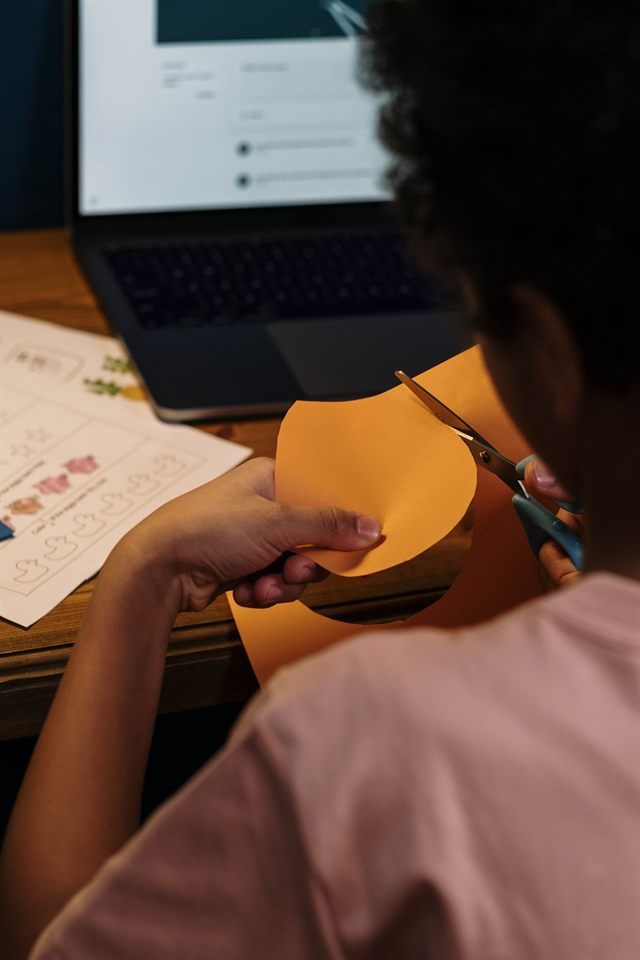
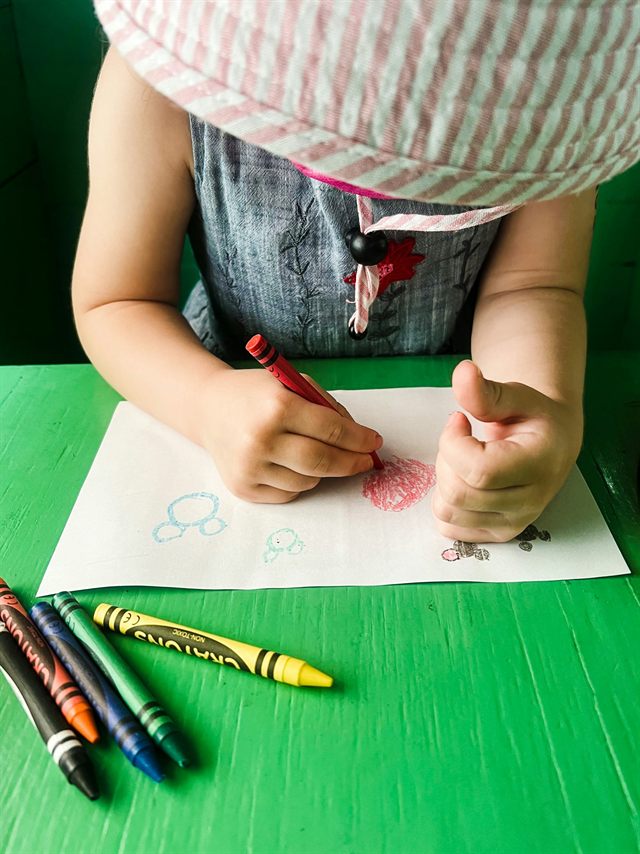
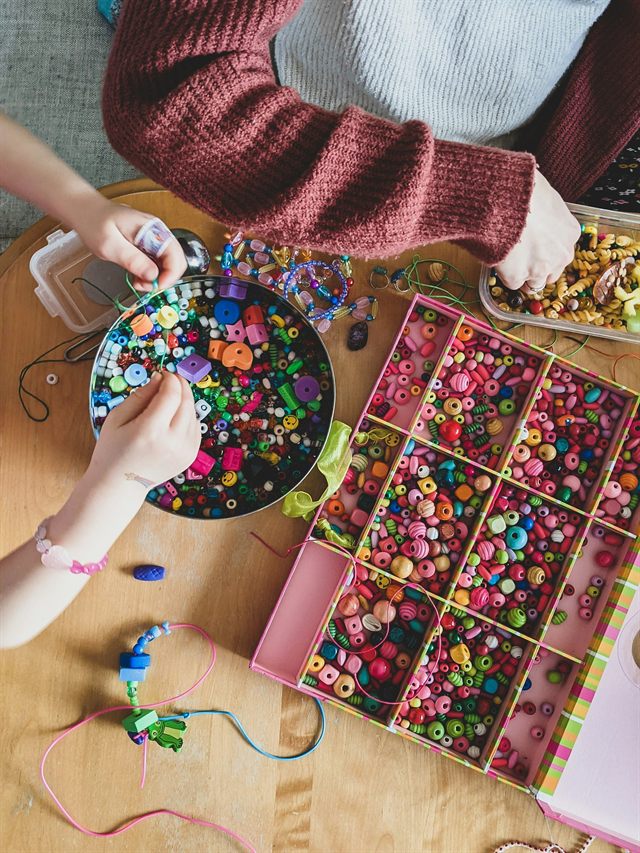
An obstacle course
might support coordination, motor planning, and body awareness.
A craft
might encourage fine motor control, visual motor skills, and following directions.
A playful game
might provide opportunities to practice flexibility, problem-solving, and emotional regulation.
Each activity is intentionally chosen around your child’s goals and interests, so therapy feels engaging and encouraging — and children know their efforts matter, even when a new skill takes time.
Building skills beyond the therapy session
Progress doesn’t stop when the session ends. The real excitement comes when a new skill helps a child feel more comfortable and confident at home, at school, and at play.
That’s why family collaboration is central to our approach. We work alongside you to understand what matters most to your family, set practical goals, and share strategies that fit into your everyday routines.
Could my child benefit from occupational therapy?
Every child develops at their own pace, and differences don’t automatically mean a child needs therapy. An evaluation may be helpful when challenges begin to affect your child’s comfort, independence, confidence, or participation in everyday life.
A formal diagnosis isn’t always necessary. An evaluation can help identify your child’s strengths, understand their challenges, and determine whether OT or another type of support is the right fit.
Families often reach out when their child:
- Finds dressing, feeding, handwriting, or other everyday tasks difficult.
- Struggles with hand skills like holding a pencil, using scissors, or managing buttons and zippers.
- Has trouble with big-body movements like climbing, jumping, riding a bike, or catching a ball, making it harder to keep up on the playground or in sports.
- Experiences sensory challenges that get in the way of daily routines.
- Has a hard time with transitions, frustration, or changes in routine.
- Needs extra support joining in play, learning, or family activities.
- Shows developmental differences that raise questions.
Progress looks different for every child
Sometimes it comes in exciting leaps, and sometimes in small, steady steps.
Both are worth celebrating.
Wondering if OT could help?
Reach out anytime. We’re happy to talk through your questions and help you decide on a next step that feels right for your child.